Skip to content

Sunglasses for oval faces

Order
2X1

Jiggy Crystal Amber / Blue

Regular price $94.99
Regular price Sale price $94.99
AMBER
2x1

Hackney Black / Black

Regular price $94.99
Regular price Sale price $94.99
BLACK
2X1

Jiggy Crystal Pink / Brown

Regular price $94.99
Regular price Sale price $94.99
PINK
2x1

Hackney Tort / G15

Regular price $94.99
Regular price Sale price $94.99
BROWN
2x1

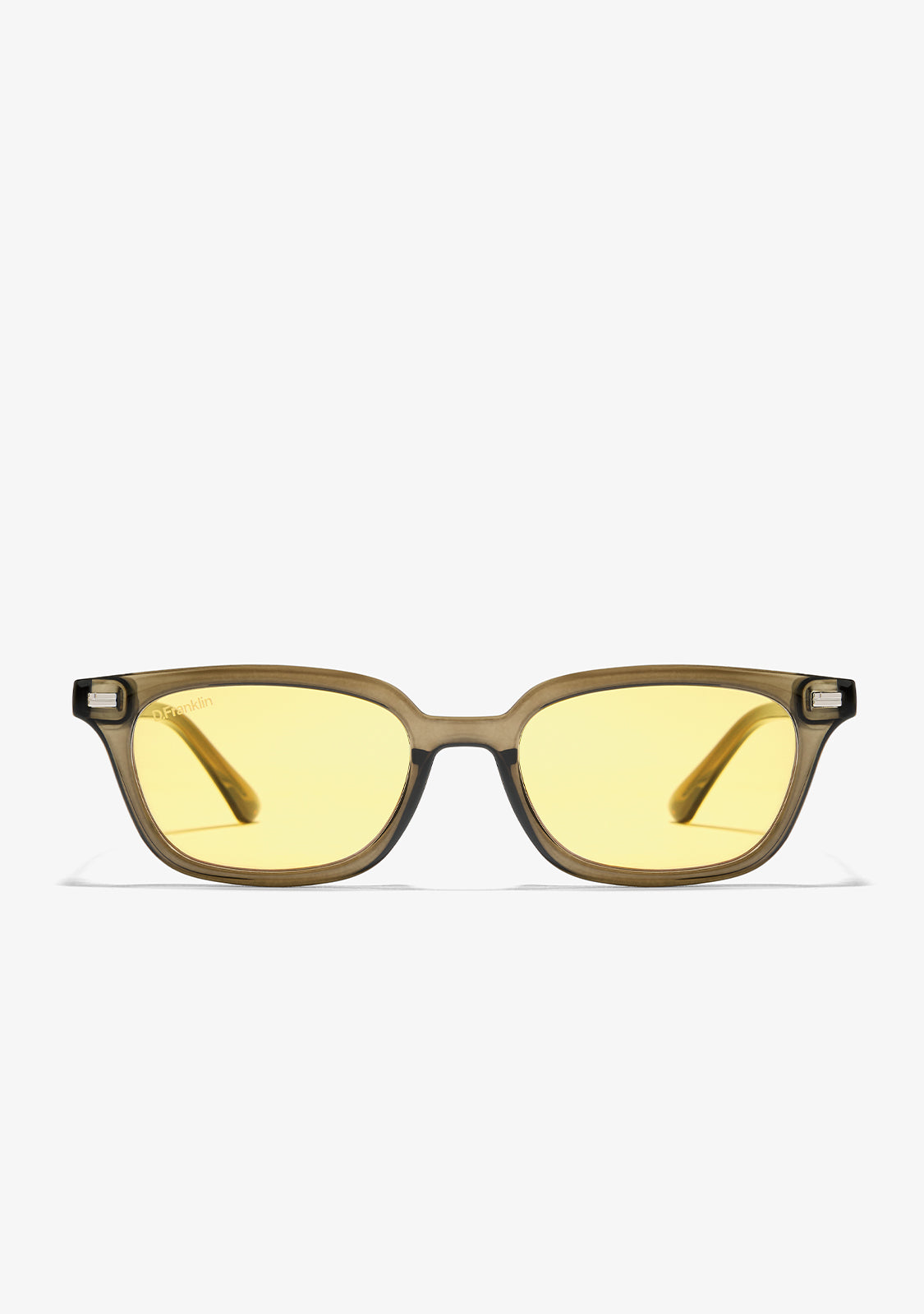
Hackney Dark Green / Yellow

Regular price $94.99
Regular price Sale price $94.99
GREEN
2x1

Hackney Grey / Green

Regular price $94.99
Regular price Sale price $94.99
GREY
2x1

Hackney Amber Tort / Blue

Regular price $94.99
Regular price Sale price $94.99
BROWN

Sunglasses for oval faces

When it comes to finding sunglasses that suit your face, having an oval-shaped face is a real advantage. Thanks to its balanced and harmonious proportions, this face shape suits a wide variety of styles and frame shapes. However, not every pair of sunglasses enhances the features of oval faces without disrupting that natural symmetry that defines them.

Read moreRead less

At D.Franklin, we understand that style and fit should go hand in hand, which is why our sunglasses collection is designed with each face shape in mind. Our options for oval faces stand out for their variety, comfort, and modern aesthetics—with frames that not only fit well but also highlight your personality and provide protection.

Whether you're looking for a classic model or something bolder to make a statement, here you’ll find how to make a smart choice that truly flatters you.

Why Choose Sunglasses for Oval Faces

Sunglasses for oval faces are designed to further enhance a face that already benefits from flattering proportions. You can experiment with rectangular, round, square, or geometric shapes without losing facial harmony—and the same goes for different lens treatments. Oval faces have it easy.

At D.Franklin, we offer everything from timeless designs to on-trend frames, all featuring lightweight construction, UV400 protection, and characterful shapes. Our goal is to provide a unique experience for oval-shaped faces—both in terms of aesthetics and functionality. All of our models blend casual style with lasting comfort, which is essential for everyday wear.

Choosing sunglasses for an oval face with this approach means having the freedom to play with fashion without giving up on comfort or eye protection.

How to Choose the Best Sunglasses for an Oval Face

Oval faces are among the most versatile when it comes to choosing sunglasses, but there are still a few key points to consider for the best results. Look for frames that aren’t too large or too small in proportion to your face.

Aviator, square, and cat-eye sunglasses are go-to styles for oval faces, easily matching any outfit or occasion. If you prefer a more minimalist look, you can also go for thin metal frames while experimenting with bold colors or more angular designs.

Choosing frames that align well with your eyebrows helps maintain visual harmony and avoids overwhelming your features.

How to Style Sunglasses for Oval Faces

One of the best things about having an oval-shaped face is how easy it is to match almost any sunglasses style with different looks. A sporty outfit or a more urban ensemble pairs well with oval or rectangular sunglasses, especially with mirrored or gradient lenses in fun colors.

For casual styles, acetate frames in classic colors like black, tortoiseshell, or beige are always a safe bet. If you prefer a trendier vibe, go for angular shapes, colorful lenses, or metallic frames.

At D.Franklin, you’ll find plenty of options to express your unique personality with sunglasses that don’t compromise on functionality.

Choosing by measurements and contact points

Compare the front, bridge and temples with glasses that already fit well. The frame should stay put without persistent pressure or constant readjustment. A men's or unisex label does not define one standard size.

When comparing shapes, separate the outline from the size. Large round glasses create a different effect from narrow oval ones, even though both use curves. Square corners make the front more defined; a thin, transparent or low-contrast frame can soften that presence. Face shape can guide an aesthetic preference, but it does not require one particular silhouette.

Front and temple materials are another part of the decision. A metallic appearance does not identify the composition, and frame thickness alone does not establish weight. Check the stated materials and try the contact points: the bridge should support the frame and the temples should follow your head without relying on a cap to compensate for fit.

Materials, fit and care

Lens colour, filter category and UV protection are separate specifications. Check each one for the chosen variant. A darker tint or mirrored surface does not on its own establish stronger UV protection; polarisation is another distinct feature.

Frequently asked questions

Can I wear them with a cap or helmet?

Try the items together and move your head. The visor, straps and helmet should not move the frame or press on the temples; also check the glasses' intended use.

How do polarisation and UV protection differ?

Polarisation reduces certain reflections, while UV protection describes ultraviolet filtering. They are different features that should be checked separately when choosing sunglasses.

How do I choose between fine metal and bolder frames?

Fine metal frames leave more of the lens outline visible; thicker fronts emphasise the contour. Choose the visual effect you prefer and check stated weight, measurements and bridge fit.

How do I choose a frame shape?

Compare the effect of rounded and angular lines, but check measurements too. A shape you like still needs a bridge and temples that provide a comfortable fit.

How can I tell if sunglasses are too large?

Watch for slipping when you tilt your head or a bridge that barely makes contact. Compare dimensions with stable glasses; holding them tighter with accessories does not correct an unsuitable size.

How do I compare glasses with the same shape in different sizes?

Check overall width, lens height, bridge and temple length, then compare frame thickness. Fronts with similar widths can look very different. Use glasses that already fit well as a reference and check their support when smiling or tilting your head.